

These days we live in a world where documentation and records are fundamental since it's becoming easier and easier to forge paper trails and make-up false history or information. So to keep things straight, states left and right are requiring certain things from their locksmiths before they can get back on the field and get to work. Even though a locksmith has been doing that type of work for 25 years or even more, once regulations change, she or he has to change with them to be able to continue working as a locksmith will take responsibility for. In accordance with certain bureaus that focus on security, a locksmith must undergo and pass a police arrest records check through both the DOJ and the FBI. Which means that so long as the locksmith that you choose has a valid license then you can be sure that she or he is not a con man or crook since no locksmith will get their license unless they pass those background checks. A locksmith is also necessary to submit their fingerprints to the FBI and the DOJ. This not merely eliminates their prints from the potential crime scene should they aren't guilty, in addition, it keeps them on record in the event there's an indication that the prints found participate in a particular locksmith who has made a decision to shift to the opposite side of regulations.
These added precautions should come as a relief to many. In fact, it's not just the clients who demand reassurance from locksmith companies. Because of fraudulent locksmiths in your community, there are certain kind of locksmith who've pushed for licensing legislation. While a locksmith isn't necessarily required to have a license, it is getting increasingly difficult to work without one. Earlier it was mentioned that there have been an influx of fraudulent locksmith companies in the states. This isn't hard to believe since just because someone says they are the type of locksmith known for providing, without proper documentation, proving that someone is in fact a locksmith 's almost impossible.
Aside from all of the new security cropping up for the average locksmith, there are a couple of other activities that a locksmith should be able to accomplish before they are often work under their own company.
For example, in order for a locksmith to be considered completely legit, they need to be able to give a business license. Having a business license is basically having an assessment of your taxes as well as a general percentage of one's gross income. Also, assuming you have a trade name (that is inevitable if you don't don't anticipate advertising your services), then you will also have to get a DBA. DBA is an acronym for CONDUCTING BUSINESS As. By obtaining Article source register your trade name. If registering a DBA isn't an option, then a locksmith can form a corporation or LLC, which accomplishes exactly the same goals as having a DBA does and in addition offers their very own specific benefits and drawbacks so far as business, taxes, and policies are concerned.
The steps to getting a business license and DBA are just the beginning if you are a locksmith offers to the public who plans on starting (or assisting to start) their own business. That's why you need to get these kind of things done in early stages to reduce the volume of delays as much as possible. If in operation isn't as major a problem to a locksmith as actually working under someone is, then your locksmith educated still isn't off the hook just yet. Because of the added complications and expenses that starting and maintaining a locksmith company is, many new business owners tend to have higher expectation from their workers than that which was previously required. It used to be that a locksmith who had been working in the field for decade or even more would simply bring about likely apprentices to keep the business.
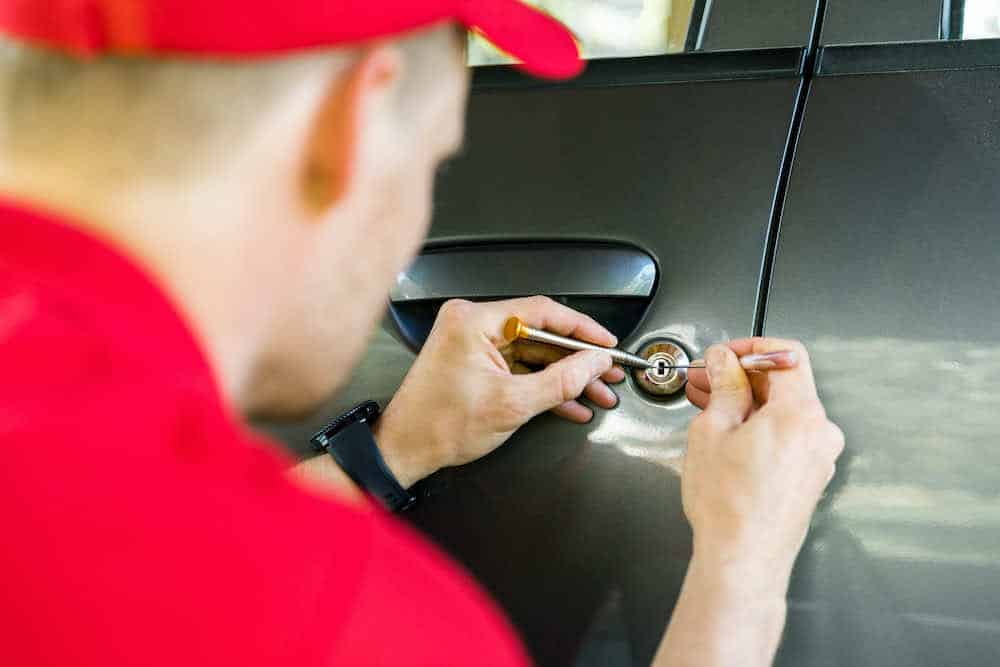
Now a locksmith school is likely to have exactly the same four year education as someone who has a much higher paying job. locksmith Apollo Beach require that the applicant have some education in mathematics and mechanics this means likely to school for a straight longer time period, or wracking up student loans to pay for the extra career courses. The issue with schooling is driven even further home thanks to the advancement of recent technology. Nowadays, a locksmith faces the added dilemma of having to acquire a strong grasp on engineering and computers to keep up with the countless clients who would favour electronic security. Times are changing and for a locksmith to excel, they must change aswell. These years of experience or apprenticeship are well and good, but these days' people prefer to see proof of both education and qualification.